

Providers

Individuals



Partners
Our Services


Providers
Measuring the #1 Driver of All-Cause Mortality
At TruDiagnostic, we recognize the potential regulatory significance of classifying aging as a disease. For example, Loyal, a company developing aging interventions for dogs, achieved the first-ever FDA acceptance for a drug aimed explicitly at extending canine lifespan. This milestone indicates the potential for a defined regulatory pathway to similarly address human aging.
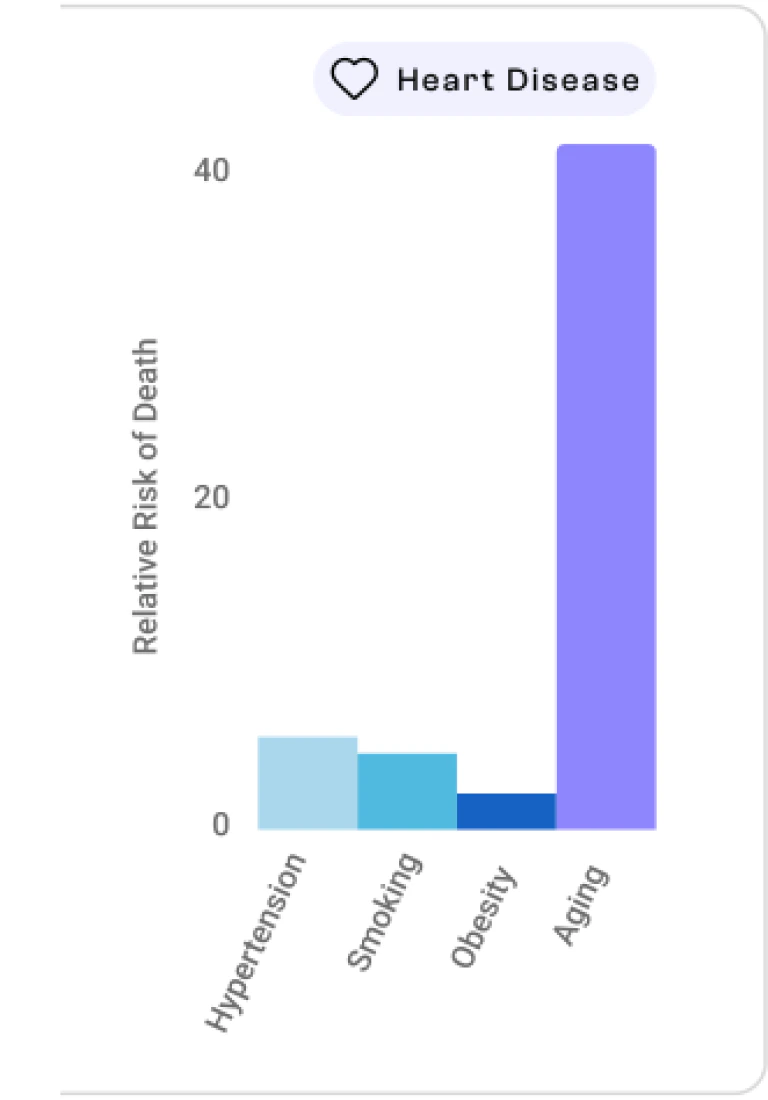
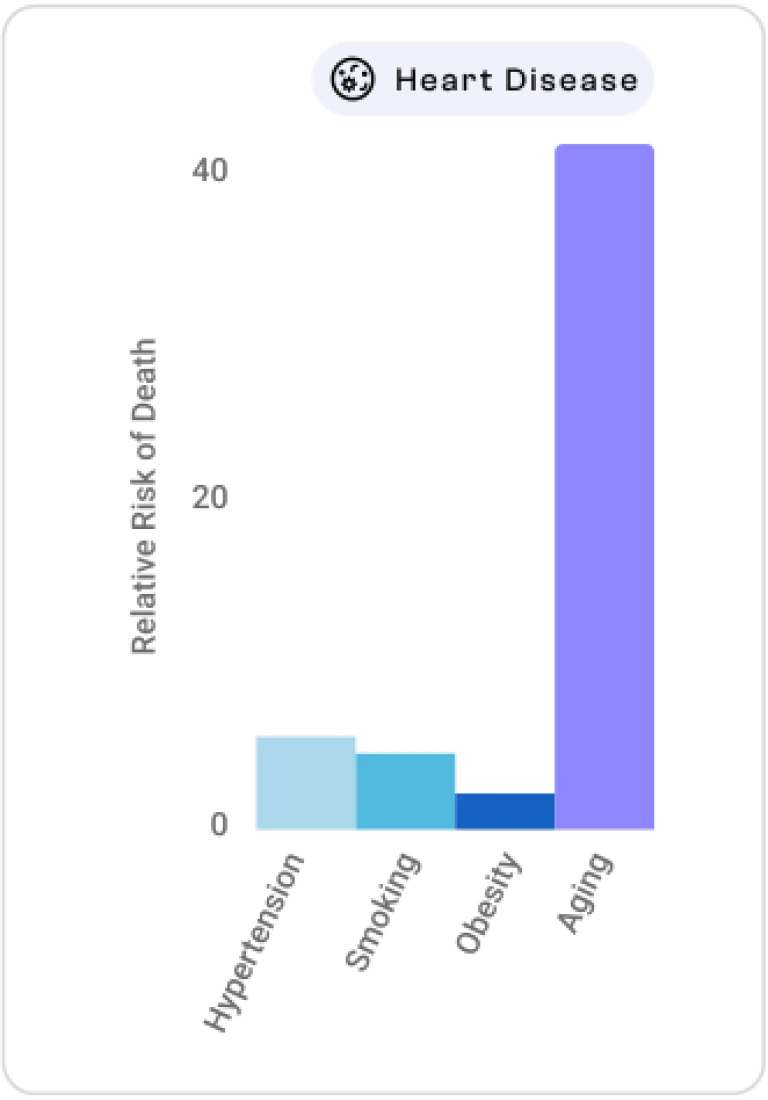
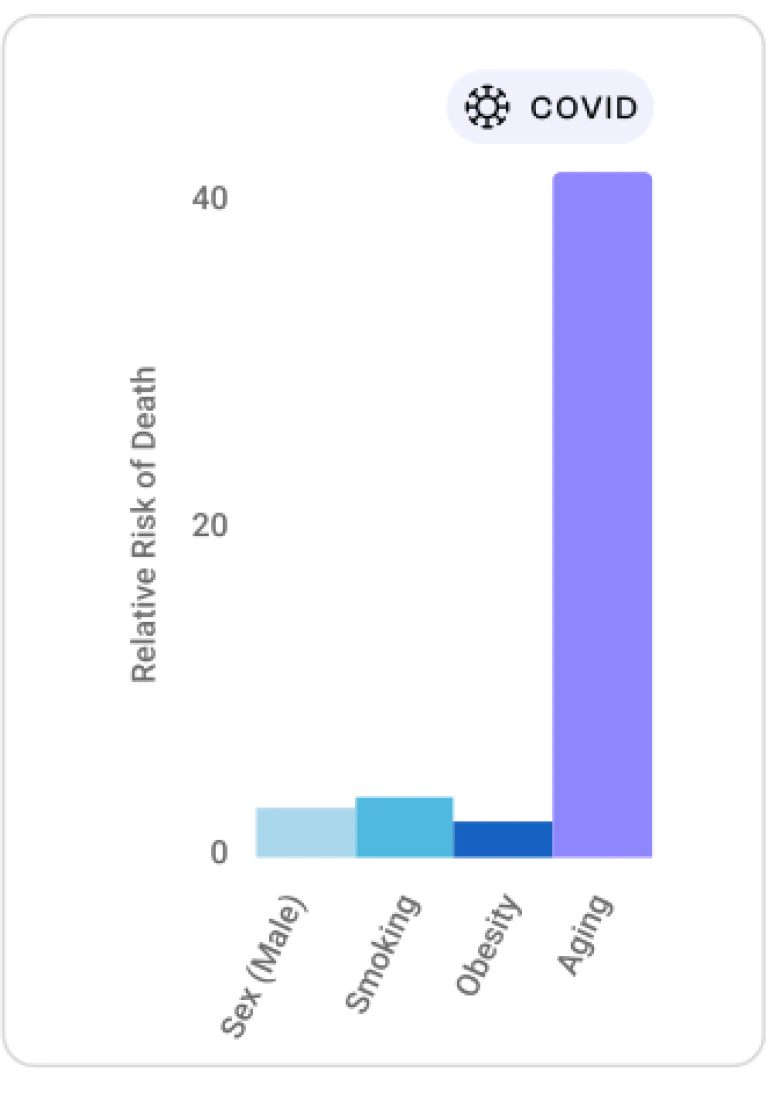
Regardless of whether aging is officially classified as a disease, it unquestionably serves as a major risk factor for many recognized health conditions.
Aging is the strongest predictor of mortality, as reflected in mortality statistics from major health organizations such as the CDC, NIH, and WHO. Therefore, quantifying age, especially through precise molecular methods, remains critically important in advancing public health and preventive medicine.

Your Chronological Age, or calendar age, is the number of years that have passed since your birth. This number is fixed and does not change to reflect improvements or declines in health and physical capabilities.
Your Biological Age, or cellular age, is a calculation of the toll that life has taken on your body, and is a number that can fluctuate based on various lifestyle, environmental, and/or medical influences.
Chronological age is fixed and based on your birthdate, whereas biological age fluctuates according to various lifestyle, environmental, and medical factors. This makes biological age a powerful tool in preventive medicine and personalized healthcare.
Biological age represents a measure of how well your body functions relative to your chronological age. Unlike chronological age—which simply counts years lived— biological age integrates multiple health biomarkers to reveal your body's functional and physiological state, providing deeper insight into overall health, disease risk, and longevity potential.
Assessing biological age is essential for precision medicine because:
It provides an accurate snapshot of an individual's current health and functional capacity.
It predicts the risk of age-related diseases more effectively than chronological age alone.
It enables the evaluation of interventions aimed at improving healthspan and lifespan.
If it is important to determine biological age to preventatively treat age-related diseases, then it is important that one's biological age calculation is accurately predicting those risks.
All epigenetic algorithms (clocks) used by TruDiagnostic have the strongest predictive values linked to outcomes of aging and disease, compared to other clocks that are currently in use across the research and diagnostic fields.
Results generated by our biological age clocks reflect the impacts of validated aging interventions such as lifestyle, medical, and environmental changes.
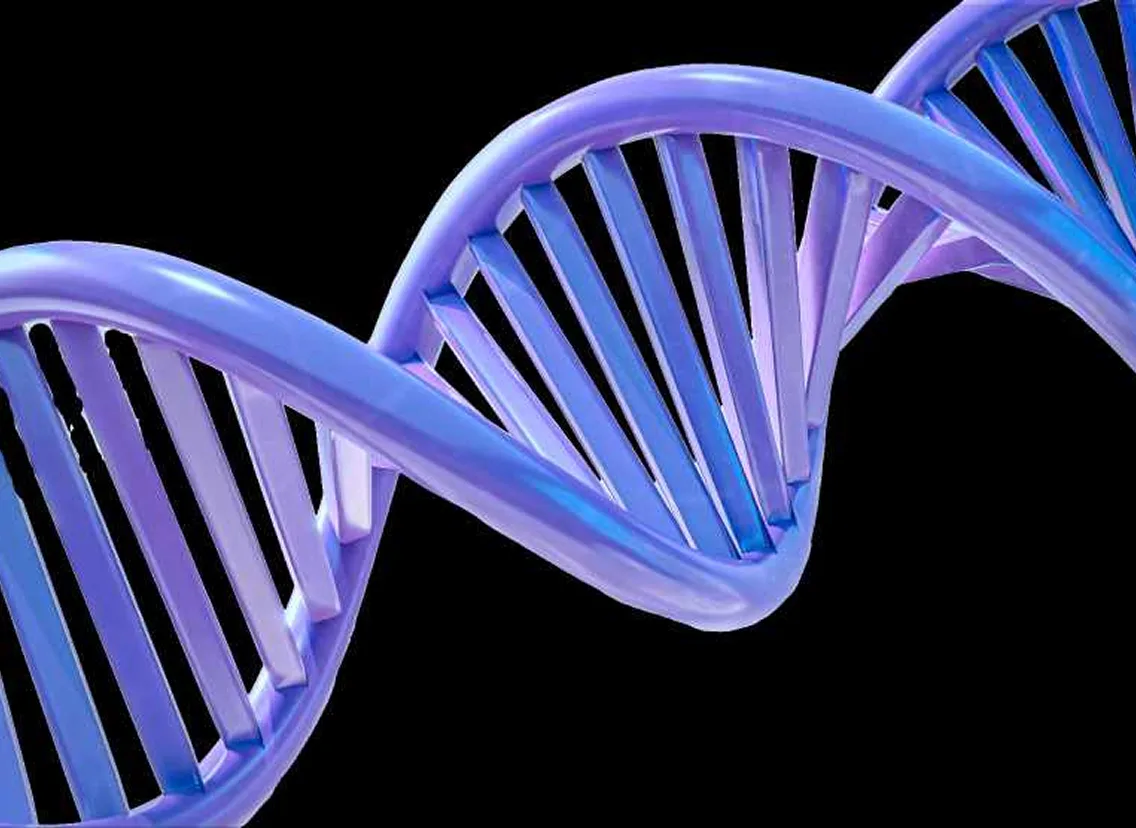
DNA methylation involves attaching methyl groups to DNA, which can modify gene activity without altering the genetic code itself. This regulatory process serves as a critical biomarker for assessing biological aging.
An age clock estimates your biological age without relying on your date of birth. Developed in the early 2010s, these mathematical algorithms quantify various aging processes by analyzing DNA methylation patterns.
Not all clocks offer equal accuracy; precise biological age and disease risk predictions depend on the quality and design of the specific clock.
First-generation clocks are trained to predict chronological age.
The regions in the DNA sequence that can be turned on and off by methylation are known as CpGs. These CpG sites change consistently over time, making the first-generation clocks that measure them particularly useful for forensic purposes, such as determining an individual's age in investigative contexts.
For instance, TruDiagnostic successfully applied first-generation clocks in determining the age of Natalia Grace in the HBO documentary series. Notable first-generation clocks include the Hannum and Horvath clocks from 2013, the more recent cAge clock developed by Dr. Ricardo Marioni, and TruDiagnostic's own chronological age clock, which boasts a highly accurate Mean Absolute Error (MAE) of 1.3 years.
Second-generation clocks are trained to predict biological features rather than chronological age.
The CpGs used by these clocks correlate specifically with biological markers that change during the aging process. These clocks are significantly more predictive of health outcomes compared to first-generation clocks.
However, interpretation can vary based on the specific biological features each clock targets. For example, a low DNAmFitAge could indicate good physical fitness, but other clocks like OMICmAge, which predicts time until death, might yield different insights if other lifestyle factors are poor. This highlights the importance of understanding the specific algorithm used and reinforces the need for all biological age algorithms to undergo thorough publication and validation.
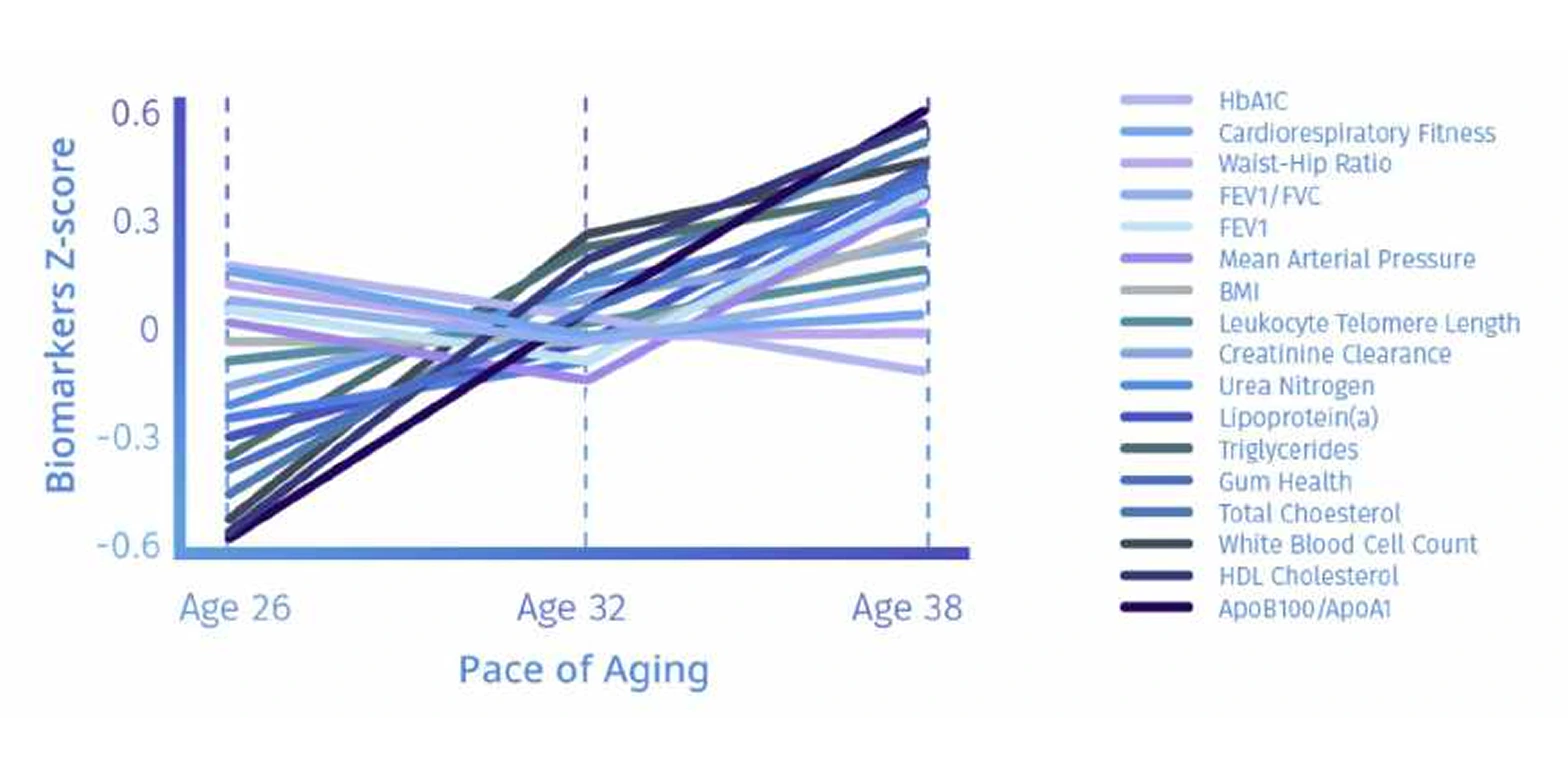
Third-generation clocks, like DunedinPACE, track individual methylation changes longitudinally, measuring the rate of biological aging rather than static cross-sectional data.This makes third-generation clocks especially powerful for evaluating the effectiveness of anti-aging interventions and assessing individual health trajectories over time.
There are multiple generations of aging clocks, each with each with distinct data output and strengths:
These foundational clocks predict chronological age and are particularly useful in forensic applications. However, their ability to predict health outcomes is limited compared to more advanced clocks.
Developed from a comprehensive multi-omic dataset, this clock incorporates metabolomic, proteomic, and clinical data, providing superior predictive capabilities compared to traditional clocks.
We have clocks like SymphonyAge (Yale) and OMICmAge (Harvard) which don't just tell you an age, they also are able to speculate on why you are aging. This is important because people age very differently. To intervene, it is helpful to have more information about this process on an individual level.
Measures organ-specific aging, reflecting the unique aging trajectories of individual organ systems, offering precise predictions about organ health and functionality.
Predicts biological age through physical fitness parameters such as FEV1, VO2max, Grip Strength, and Gait Speed, alongside mortality predictions from GrimAge.
• Unique in assessing the rate of biological aging by tracking individual methylation changes longitudinally, rather than cross-sectional data from diverse groups
• Developed from the Dunedin Study, a landmark research initiative following individuals longitudinally from birth, making it exceptionally accurate for assessing the effectiveness of anti-aging interventions.
What it does: Predicts biological age using multi-omic data, including metabolomic, proteomic, and clinical lab signals.
• Gain a holistic view of molecular aging processes
• Stratify patients by risk across complex biomarkers
• Inform biomarker-driven study designs or longevity protocols.
What it does: Measures the pace at which someone is biologically aging.
• Track how fast aging is occurring at any age
• Evaluate lifestyle or pharmaceutical interventions longitudinally
• Use in clinical trials for anti-aging or healthspan-extending therapies
• Validated in caloric restriction and longitudinal cohort studies.
What it does: Assesses biological aging at the organ-specific level.
• Monitor organ-targeted interventions
• Measure biological age of key systems: Brain, Immune System, Lungs, Blood, Inflammation, Metabolic, Heart, Kidneys, Musculoskeletal, Hormone, Liver
What it does: Estimates chronological age based on methylation states of retroelements (e.g., HERVs, LINE-1).
• Study immune system aging across tissues and species
• Use as a forensic or validation reference for age estimation
• Explore biological pathways linked to evolutionary aging mechanisms.
What it does: Detects immune system aging by quantifying DNA methylation shifts across 12 immune cell types.
• Reveal subtle immune aging and inflammation dynamics
• Improve risk profiling for age-related diseases
• Refine patient stratification in immunotherapy or vaccine studies.
Biological age clocks are indispensable tools across various domains:
• Informing personalized healthcare and preventive strategies
• Facilitating early intervention for age-related diseases.
• Evaluating anti-aging and health optimization interventions such as supplements, dietary changes, pharmaceuticals, and lifestyle adjustments
• Measuring biological responsiveness to treatments over time, significantly enhancing trial accuracy and outcomes.
• Identifying at-risk groups within populations for targeted health initiatives
• Developing public health strategies to mitigate age-related diseases and improve overall population health.
TruDiagnostic's biological age measurements have undergone rigorous validation through 45+ peer-reviewed studies, consistently demonstrating strong predictive capabilities:
Proven to reflect actual biological aging rates through rigorous longitudinal cohort studies.
Consistently outperform traditional biomarkers in predicting clinical outcomes like chronic diseases and mortality.
Identified the most effective age-slowing interventions using DunedinPACE.
Featured in mainstream documentaries, showcasing biological age impacts of dietary interventions.
As biological age measurements continue to evolve, they hold significant promise for revolutionizing healthcare and research:
Development of personalized medical interventions tailored specifically to biological age profiles.
Improved predictive models for disease onset, facilitating preventive healthcare strategies.
Expansion into public health, helping shape policies aimed at enhancing population health and longevity.
Understanding and accurately measuring biological age is transforming our approach to health and aging, setting the stage for unprecedented advancements in personalized medicine and lifespan optimization.
Each algorithm captures aging signals differently. OMICmAge integrates comprehensive multi-omic data, SymphonyAge assesses organ-specific aging, and DunedinPACE measures real-time aging speed. Differences in results can occur due to the unique methodologies each employs. For example, DunedinPACE quickly detects changes in aging speed, while OMICmAge reflects overall biological age changes more gradually.
Telomere length is a recognized aging marker, though less predictive of aging outcomes than DNA methylation-based clocks. While telomeres have been extensively studied, DNA methylation offers stronger predictive accuracy for health outcomes.
What makes a DNA methylation age clock reliable? Reliable DNA methylation clocks use validated, peer-reviewed, and transparent second or third-generation algorithms specifically trained to predict biological age and associated health outcomes. High precision, extensive correlation with age-related diseases, and responsiveness to validated aging interventions also characterize reliable clocks.
Accuracy is determined by applying the clocks to historical patient samples from biobanks and tracking actual health outcomes over time. Metrics like hazard ratios (HR) quantify predictive success—higher HR values indicate greater predictive accuracy for disease and mortality risk.
Blood provides diverse cell types, richer DNA methylation signals, greater validation in research, higher DNA quality, and consistent methylation profiles. Saliva's different cellular composition and less stable DNA make it unsuitable for reliable epigenetic aging assessments.
Critiques include concerns about causal versus correlative interpretations and technical limitations such as precision, immune variation, and sample compatibility. However, modern epigenetic clocks have largely resolved these issues, demonstrating significant predictive accuracy and responsiveness to aging interventions.